









Pin Stories in Motion: How enamel pins build joyful communities

From Sketch to Pin: Stories Behind Beloved Enamel Badges
Enamel pins are small, glossy conversations you can wear. They are a kind of portable storytelling, a tiny stage for memory, humor, and hope. The journey from a scratchy doodle in a notebook to a shiny pin on a jacket or backpack is a surprisingly intimate oneâ€"an arc that folds in art, manufacturing, culture, and the quiet rituals of collectors who care about the details.
In this post, we’ll trace that arc: the spark of a sketch, the decisions that shape color and metal, the careful choreography of factory floors, and the human stories that give each badge its unique voice.
The Spark: Sketchbooks, Coffee, and Quick Doodles
Every enamel pin begins as a spark in a designer’s head or a maker’s sketchbook. It could be a character that won’t stop popping into your thoughts, a memory tied to a city, or a pun that makes you grin. The initial sketch is rarely precious. It’s rough, expressive, and often times a map of emotions more than a polished image. Artists keep dozens of little notebooks, sepia-toned scraps, sticky notes on a computer monitor, and voice memos captured on a phone. The line that will become a pin is usually the line that feels most alive in that momentâ€"a tall, confident swoop, a wryly angled eye, a dot that winks at you from the corner of a mouth.
The sketch is more than a design. It’s a promise: to translate a feeling into a small, durable object that can travel across seasons and locations.
As the idea breathes, it must answer a few practical questions. Will the shape be friendly and rounded, or sharp-edged and bold? How will color convey moodâ€"soft pastels for whimsy, or saturated primaries for bold pop? What is the story that the pin wants to tell, and who will tell it when it’s worn on someone’s sleeve or bag? The sketch is where intention begins, but it’s only the first note in a larger composition.
From Concept to Cad: Designing for Production
Once a concept feels alive enough to persevere, it moves into the realm of precision. The rough drawing is typically converted into vector artâ€"a clean, scalable set of lines that can guide cutting, plating, and filling. The process benefits from collaboration: illustrators, designers, and sometimes engineers sit in a room with light boxes or screens, debating edge thickness, symmetry, and the way a small curve behaves when scaled down to the size of a coin. The vector version must translate well to a metal base, where every line becomes a boundary between metal and enamel, and every notch or corner matters for wear over time.
Vector art is the bridge between imagination and tangible form. It keeps the life of the sketch intact while ensuring it can be manufactured with consistency, batch after batch.
As the design becomes a production-ready file, color palettes enter the conversation. Pantone swatches, brand guidelines, and the practical limits of plating and enamel all interplay. A color that looks dazzling on screen might look muddy in enamel if it doesn’t have the right depth or if it bleeds into adjacent areas. Designers test multiple colorwaysâ€"sometimes chasing the precise shade of a planet, or the exact hue of a favorite pastry’s glazeâ€"to ensure the pin remains legible and expressive when it’s resized and repeated in a limited run. The goal is clarity and charm at a distance, plus nuance up close that rewards careful looking.
The Anatomy of an Enamel Pin: Base, Plating, and Power
Understanding an enamel pin means knowing its parts and how they work together. A pin is essentially a tiny metal sandwich with a story inside. The base metal is often brass or zinc alloy, chosen for its balance of strength, weight, and cost. This metal shape is stamped or cut with a precise mold to create the outer silhouetteâ€"the borders that define the character, the edge where enamel will fill and the back that carries the pin’s backing and branding.
The next layer is the enamel. In soft enamel pins, the recessed areas are filled with enamel paste that sits above the metal ridges, creating a tactile variation and a slightly textured surface. In hard enamel, the enamel is poured and then polished to be flush with the metal, yielding a completely smooth surface and a uniform height. The choice between soft and hard enamel changes the feel, the durability, and the look of the pin, and designers often pick based on the expressive vibe they want to capture.
Plating adds another layer of personality. Gold, rose gold, silver, nickel, antique bronze, copperâ€"each plating option alters the warmth, sheen, and mood of the pin. Some collaborations lean into vintage-inspired patinas that tell a story of time and wear; others go crisp and modern with bright metal shine. The back of the pinâ€"where the butterfly clutch or modern post livesâ€"also matters. Functionality is just as important as aesthetics: you want a back that holds tightly to fabric, that’s easy to fasten, and that won’t scratch easily when it rubs against other pins in a drawer or on a jacket lapel. The full assembly is a conversation between durability, ergonomics, and presentation.
The Studio to the Factory Floor: Finishes and Finite Details
With the design approved, the production dance begins. In many studios, the process looks like a carefully choreographed sequence: metal foundation, stamping, enamel filling, curing, plating, and polishing. First, the base is stamped or cut into the final silhouette, sometimes with tiny holes for posts or other hardware. Then, depending on whether soft or hard enamel is chosen, enamel is applied in multiple layers or all at once. The enamel is baked or cured to set the color and ensure adhesion. In soft enamel, the relief between the metal lines holds the enamel in place, creating a tactile ridge. In hard enamel, the enamel is gently troweled and then polished flush with the metal so the surface is perfectly smooth to the touch and visually uniform.
After curing, the pin is plated and given a protective clear coat to guard against wear and corrosion. The final steps include buffering, packaging, and adding the hardwareâ€"backings that hinge the whole object to fabric, and sometimes tiny rubber dampeners to reduce rattling and keep pins from poking out under heavy wear. The factory floor is a sequence of tiny but important decisions that determine how a sketch feels once it leaves the studio and becomes something you can pin to your coat.
Quality control (QC) is the unsung hero of the process. A QC technician inspects for color consistency, clean edges, alignment of lines, and the absence of gaps where enamel should meet metal. A single poorly filled section can throw off an entire batch, so the team checks color density and ridge height with micrometer precision. If something looks off, the pin may go back for rework, or the entire run could be adjusted for future batches. This is the moment where the sketch’s energy must survive the translation from art to mass production, without losing its soul in the machinery of manufacturing.
Color Alchemy: Palette, Mood, and Storytelling
Color is not merely cosmetic in enamel pins; it’s narrative. A carefully chosen hue can evoke a season, a memory, or a focal point in a story. Designers often curate colorways that align with a broader collection, ensuring that each pin in a line feels related yet distinct. A pin about a sea creature might borrow teals and corals that echo coral reefs, while a city skyline pin could lean into midnight blues and steel grays to mirror urban nights.
Sometimes the color choices reflect outside influencesâ€"the city’s culture, a festival’s palette, or a collaborative partner’s branding. In other cases, the artist follows instinct, letting temperature and saturation guide the enamel like a painter letting a brush decide the next stroke. The result is a palette that looks cohesive in a display but reveals new surprises as you inspect it up closeâ€"the shimmer of the metal under the enamel, the tiny specks of color in a gradient, the way light catches a glossy finish.
Color theory matters even more in limited runs where one pin can have several variantsâ€"called colorways. A single design might appear in two, three, or more color stories, inviting collectors to chase a particular mood or nostalgic reference. The artist often debates how many colorways to release, balancing the thrill of rarity with the accessibility that makes pins a community-wide hobby. This balanceâ€"the tension between exclusivity and reachâ€"keeps pin culture vibrant and alive, a shared conversation about art, memory, and design.
Beneath the Backing: Stories that Make Pins Beloved
Enamel pins carry stories beyond their imagery. They become talismans, mementos, and inside jokes among friends and communities. Here are a few kinds of stories you’ll hear from pin lovers, illustrated through fictional but representative scenarios that capture the heart of the practice:
Story 1: The Memory Pin. A designer sketches a lighthouse with a tiny wave curling beneath it, inspired by an old family vacation by the coast. The pin becomes a yearly holiday offering, a way for people to carry that coastal memory with them through long winters. Each wearer adds a personal note to the pin’s meaningâ€"the lighthouse guiding a first solo trip, a reminder of foggy mornings, the sound of gulls when a friend visits again after years apart. The pin is more than image; it’s a shared memory in metal and enamel.
Story 2: The Pet Pin. A small, round pin featuring a cat’s grin and whiskers becomes the de facto emblem for a neighborhood cat cafe. The design captures the mischievous energy of the resident felines and the warmth of the people who care for them. It travels with volunteers to adoption events, where it sparks conversations about rescue stories, feeding schedules, and late-night shifts. For many wearers, the pin is a reminder that small acts of kindnessâ€"sharing a bowl of milk, offering a warm corner on a rainy dayâ€"add up to big changes for animals who need homes.
Story 3: The Quiet Rebellion Pin. A bold, geometric shape with a subtle nod to a protest symbol becomes a badge of solidarity for a small, diverse group of designers who work in a quiet industry. It’s not a loud statement; it’s a careful one, a way to say “we see you†without shouting. Worn on badges, backpacks, or hats, the pin becomes a subtle beacon that helps strangers recognize shared values. In this way, tiny badges participate in larger conversations about representation, identity, and courage, turning a simple piece of metal into a passport to belong and speak up.
Story 4: The Everyday Icon. A coffee cup pin punctuates mornings of creative work, and a small pencil pin accompanies notebook splashes of ideas. These everyday objects are elevated into small, collectible icons that remind people to notice beauty in ordinary ritualsâ€"the first sip of coffee when the day is young, the pencil’s graphite imprint on a fresh page, the moment when a plan takes shape. The stories are incremental and intimate, yet collectively they form a championship of daily life, where ordinary objects become miniature protagonists.
Collectors, Communities, and the Joy of the Find
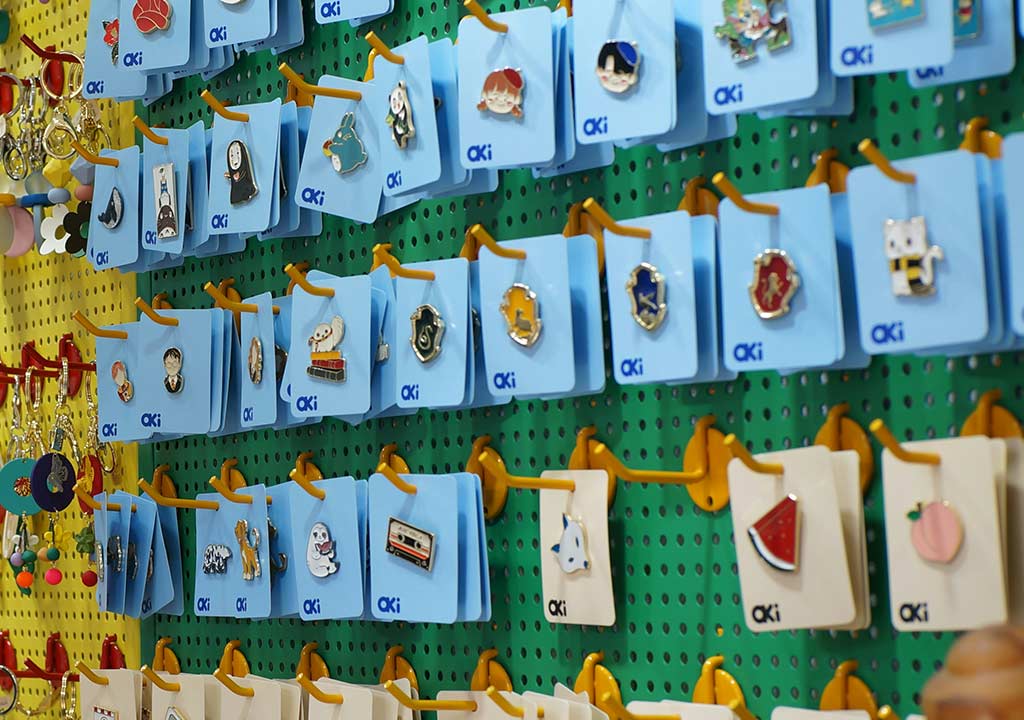
Enamel pin culture thrives on community. Collectors share “drop calendars†and colorways, trade pins on social platforms or at conventions, and swap stories about design evolution. The thrill of the findâ€"the moment you spot a pin in a shop window, or the sudden realization that a particular colorway completes your shelfâ€"creates a social ritual around what might otherwise feel like a simple accessory. Pin fairs, creator markets, and pop-up shops convert the act of purchase into a social experience: you meet the artist, hear the origin of a design, see the masterful details up close, and perhaps walk away with a pin you didn’t know you needed until you saw it in person. The social fabric of this hobby is stitched from tiny threadsâ€"vanity postcards, enamel chips in a keyboard, the memory of a friend who wore a pin at a wedding, the way a design travels across corners of the world via Instagram stories and group chats.
For many, the journey isn’t just about owning pins; it’s about curating a narrative library. Each collection tells a story about the collector’s valuesâ€"places they’ve visited, people they’ve met, and moments when a small object captured a larger truth. Some collectors rotate pins to reflect the seasons, others build themed shelves that tell longer, interconnected stories. And because most enamel pins are produced in limited batches, every addition feels like a discovered piece in a longer puzzleâ€"a puzzle where the edges are crisp, the colors precise, and the tales as varied as the people who gather them.
Caring for Your Pins: Display, Storage, and Longevity
Once a pin has found its wearer, care becomes part of the ritual of ownership. Cleaning is simple but deliberate: a soft cloth or a gentle brush to remove dust, a careful wipe with a damp cloth if needed, and a dry, cool place away from direct sunlight to preserve color. If a pin ever shows scratches or a faint fog on the enamel, some collectors opt for a professional re-enameling or a careful re-platingâ€"though many pins hold their charm even with small signs of wear, telling a story of time and travel. Storage matters too: a pin board with soft fabric, a small zip pouch designed for collectibles, or a dedicated binder with clear sleeves helps prevent damage from rubbing and keeps colors bright. For those who display their pins, proper backing and secure fit are essential; a loose back can mean lost pins, especially on windy days, during travel, or in bustling convention crowds.
Display choices shape how frequently a pin is seen and appreciated. Some collectors build thematic vignettesâ€"a row of space-themed pins on a dark board, another shelf dedicated to plant-friendly designs beneath a glass frame, or a rotating display of seasonal pins that celebrate holidays, weather, or personal milestones. The act of arranging pins becomes a playful curatorial exercise, a way to revisit memories and plan future discoveries. It’s a gentle reminder that in enamel, as in life, intention and care yield beauty over time.
Ethics, Sustainability, and Responsible Collecting
As with many crafts, there’s a thoughtful conversation around sustainability and ethics in pin production. Small-batch manufacturing reduces waste by enabling designers to test and iterate without flooding the market. Local production or nearby partners shorten supply chains, supporting artisans and communities. Recycled metals and ethically sourced plating materials are increasingly common choices for studios striving to balance artistry with environmental responsibility. Collectors increasingly look for transparencyâ€"clear information about materials, origin, and the number of pieces produced in a dropâ€"so they can make mindful decisions about what to buy and what to trade. The stories of a pin become even more meaningful when we understand the care that went into making it, not just what’s on the surface, but where the metal came from, how the enamel was made, and who touched the piece from design to packaging.
In this ecosystem, collaboration is key. Designers, manufacturers, and retailers work together to ensure quality without sacrificing the voice of the artist. The best pins embody a spirit of generosity: they invite wearers to tell their own version of the story, to share photos and memories, and to contribute to a culture where pins are as much about community as they are about art. The ethical tradition in pin-makingâ€"to be transparent, to respect artisans, and to minimize wasteâ€"helps ensure that the joy of enamel pins remains sustainable and accessible for years to come.
The Future of Enamel Pins: Innovation, Culture, and Continuity
Where are enamel pins headed next? The future is a blend of craft and technology, tradition and experimentation. Designers are exploring modular pinsâ€"pieces that fit together like a tiny jigsaw to form a larger composition when worn in groups. 3D-printed elements and textural enhancements open new dimensions for tactile storytelling, while glow-in-the-dark and iridescent finishes add whimsy and wonder for night markets and city strolls after dusk. Limited-run collaborations with artists from different disciplinesâ€"illustrators, musicians, writers, and anthropologistsâ€"continue to expand the cultural vocabulary of pins.
Another exciting frontier is accessibility and inclusivity. Makers are actively seeking to represent more voices, more cultures, and more stories, with inclusive imagery and languages that resonate with diverse wearers. This approach isn’t just about adding more pins to a shelf; it’s about expanding a language of small badges that invites everyone to participate in a shared ritual of meaning-making. As digital tools become more integrated with physical products, designers can prototype, test, and refine with faster feedback loops, ensuring that what lands on the enamel sheet truly reflects the story it is meant to tell.
Closing Thoughts: The Small Object, Big World
From sketch to finish, enamel pins are a reminder that the smallest objects can carry large narratives. A pin is not just a decorative accessory; it’s a portable artifact that travels with you, a sign you can display, trade, or gift with an almost intimate immediacy. It is a piece of someone’s design philosophyâ€"curiosity, humor, resilience, memoryâ€"confined to a few square millimeters of enamel and metal. The stories behind beloved pins are never just about the image itself; they’re about the people who created it, the communities that celebrate it, and the moments it helps us remember or feel less alone. The next time you glimpse a tiny badge on a stranger’s lapel or a friend’s backpack, pause for a moment. You’re looking at a story in miniature, a narrative that began with a sketch and found a home in metal, color, and the shared delight of wearing something meaningful.
So keep a pencil nearby, keep a notebook handy, and keep an eye out for the ordinary things that become extraordinary when inked in enamel. Your next favorite pin might be a stray doodle in a coffee-stained notebookâ€"one that grew into a small, shimmering token of a memory you have yet to discover. The journey from sketch to pin is a small pilgrimage of patience, craft, and community, and every new badge you encounter is an invitation to become part of that ongoing, colorful story.
LIKED THIS ARTICLE? SHARE IT: