











Pin Perfect: Easy Ways to Wear Enamel Pins Every Day

Color Play: Matching Enamel Pins to Your Daily Color Palette
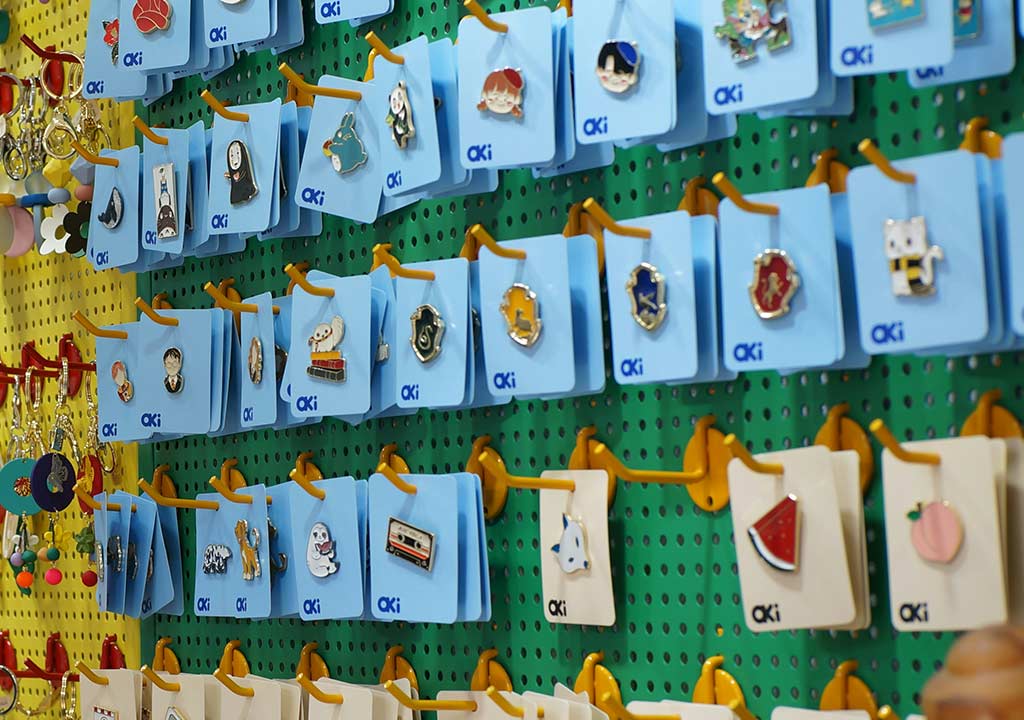
Enamel pins are small bursts of personality you can wear on a sleeve, lapel, backpack, or hat. They’re tiny conversations starters, collectible keepsakes, and practical mood indicators all at once. But beyond the aesthetics, enamel pins are perfect tools for color storytelling. If you’ve ever stood in front of a closet with a color wheel and a dozen pin backs in hand, you know the thrill of aligning a tiny, glossy star with the color rhythm of your day. The idea is simple: translate your daily color palette into enamel pin choices that harmonize, contrast, or playfully clash in ways that feel intentional. This guide will show you how to build a practical system for matching enamel pins to your daily color palette, with tips that work whether you dress in neutrals, bold brights, or a mood-driven mix of tones.
Why color matters in small accessories
Color is not just decoration; it’s mood, energy, and memory in disguise. The color you choose for your outfit or bag can lift your mood, signal a particular vibe, or unify disparate pieces into a cohesive look. Enamel pins act as color accents that can:
- Highlight a focal color in your outfit, drawing the eye to a planned detail.
- Provide a pop of contrast that makes your look feel lively and intentional.
- Serve as a playful summary of your day’s moodâ€"bright and sunny, calm and cool, or moody and moresome.
- Offer a tactile, collectible element that you’ll reach for out of habit, reinforcing your personal color ritual.
When you pick pins to match your daily palette, you’re turning color theory into a practical, wearable system. You don’t have to reinvent your whole wardrobe; you’re simply letting small color cues guide how you assemble outfits and accessories. The result is a gentle but powerful sense of coherence that can make mornings easier and outfits more satisfying.
Understanding enamel pins: color, finish, and scale
Before you map pins to palettes, it helps to understand what you’re working with. Enamel pins are created by filling metal shapes with colored enamel, then baking and finishing with a protective resin. The color you see is determined by the enamel ink, the plating on the metal (gold, silver, bronze, or black), and the finish (glossy, matte, or sparkly). When you’re matching pins to a palette, consider:
- Color saturation: Pins with vivid, saturated enamel read as bold accents, while pastel or muted pins feel softer and more nuanced.
- Temperature: Warm-toned bodies (reds, oranges, yellows) feel energetic; cool-toned colors (blues, greens, purples) feel calm or refined.
- Finish and metal: A gold-plated back can warmth-cushion a cool palette; silver or gunmetal can sharpen a warm palette with a modern edge.
- Size and shape: A larger pin acts as a color anchor, while tiny pins can act as delicate color specks that support your outfit’s main hue.
Knowing these basics helps you choose pins that intentionally support your daily colors rather than compete with them. It also makes it easier to curate a pin collection that works across different outfits and seasons.
What is your daily color palette?
Your daily color palette is not a fixed set in stone; it’s a fluid system based on mood, weather, and activities. Here are a few practical ways to define it:
Start with the feeling you want to convey (calm, energetic, optimistic) and translate that into a few core colors. For example, a calm palette might lean on soft blues, sage greens, and warm taupes. If you often wear a capsule wardrobe, identify the dominant colors in your standard pieces and plan pins that echo or complement those hues. Let the season guide youâ€"pastels and light neutrals in spring, brighter primaries in summer, earthy tones in autumn, deep jewel tones in winter. Choose one color you want to spotlight (perhaps a pair of shoes or a bag) and pick pins that harmonize with or subtly contrast that anchor color.
To build your daily palette, try a simple exercise: at the start of the week, choose 3â€"5 colors you’d like to see in your outfits. These can be a mix of neutrals and a couple of statement colors. Then curate a small pin collection that echoes those hues. As you go through the week, you’ll notice how even a tiny pin can pull together your color story across different outfits.
Step-by-step guide to matching pins to your palette
- Define your core colors: Pick 3â€"6 colors that will recur in your outfits during the week. Include at least one neutral (black, white, or gray) and one accent color that will draw attention.
- Audit your pins for color families: Group your pins by color family (reds/pinks, oranges, yellows, greens, blues, purples, neutrals). Note which colors are most abundant and which you’d like to feature more.
- Choose a dominant pin color for each look: For each outfit, select one pin that contains the color you want to emphasize. This pin becomes the “color anchor†for that look.
- Balance with supporting pins: Add one or two additional pins that echo other palette colors. Avoid overcrowding; let the main color shine.
- Consider undertones and temperature: If your palette leans warm, favor gold-toned pins; for cool palettes, lean into silver or platinum. This helps the hardware feel integrated rather than accidental.
- Use patterns as palettes: If your outfit features a pattern, pick pins that pick up a repeating color from the pattern to create a cohesive link.
- Mind the scale: For larger outfits or statement pieces, a single bold pin might suffice. For simple outfits, you can layer a few smaller pins to echo your palette without overpowering the look.
- Keep a mini palette list: Maintain a small, portable notes list or photo collection of your favored color combos and pins. This makes it easy to mix and match on the go.
With this approach, your enamel pins become color notes that you can refer to as you assemble outfits. It’s a practical habit that grows with your collection and your personal style.
Color theory in practice: making harmony without sameness
Color theory isn’t just for painters; it’s a toolkit you can apply to accessories. Here are some practical concepts to keep in mind when choosing enamel pins to match your palette:
Choose colors next to each other on the color wheel. Pins in analogous tones create a cohesive, low-contrast look that feels harmonious and easy to wear. Pair a dominant color with its complementary color for a lively contrast. A pin with a red undertone will pair nicely with a blue or teal accent in your outfit. Opt for three colors evenly spaced on the color wheel for a vibrant but balanced effect. If your palette includes a rich indigo, chartreuse, and coral, pins reflecting those hues will feel intentional and dynamic. Neutralsâ€"black, white, gray, taupe, metallicsâ€"act as stabilizers. If your palette is bold, add a few neutral pins to keep looks from becoming visually overwhelming.
When in doubt, aim for “one story at a time.†Let each outfit tell a small color story by choosing one dominant color and supporting colors that appear in your clothing, bag, or shoes. Pins are the punctuation marksâ€"small, bright, and telling.
Palette-based pin recommendations by color family
Think of color families as a map for pin selection. The idea is to have a few pins that speak to each family, so you can mix and match with confidence.
Rich ruby pins or soft rose pins pair beautifully with neutrals and dark denim. They work well to anchor outfits with a bold accent, like a red pin on a navy blazer or a pink pin on a cream sweater. A peach or sunset-orange pin can brighten an outfit with earth tones or a cool gray base. This family often reads as sunny and optimistic. Canary or mustard tones add warmth. Pair yellow pins with navy, charcoal, or forest green for contrast that respects the color wheel chemistry. Sage, emerald, and olive are versatile. Green pins go well with neutrals and blues; they can serve as quiet anchors when your palette includes cooler hues. From icy sky blue to deep navy, blue pins can anchor outfits across many color schemes. They pair nicely with grays, creams, and blush pinks, offering a calm, confident statement. Lavender and plum pins add a regal touch. They can blend with soft neutrals or create a striking counterpoint to yellows and greens. Black, white, silver, gold, and bronze pins are your “goes with everything†options. They can unify a palette that otherwise has many colors.
When you plan outfits, consider a pin that sits at the intersection of two color families in your palette. This creates a bridge between colors and adds depth to the overall look.
Seasonal and situational palettes
Seasonal palettes aren’t just about fashion calendarsâ€"they’re about energy patterns. Here are some approachable, everyday palettes you can try with enamel pins:
Soft corals, blush pinks, powder blues, and creamy beiges. Pins in light gold or brushed brass can complement this softness beautifully. Bright turquoise, sunny yellows, coral, and crisp white. A bold enamel pin in a warm hue can match the brightness of summer wardrobes. Terracotta, olive, mustard, and deep burgundy. Bronze, copper, or antique gold pins feel naturally aligned with this palette. - Winter jewel: Emerald, sapphire, ruby, and charcoal. Cool silvers or clear crystal pins can enhance the crisp, refined feel of winter looks.
Beyond seasons, think about daily contexts. A workday might call for a restrained palette with one standout pin, while a weekend outing could welcome a playful mix of several pins that echo a cheerful color story. Having a small set of “work-appropriate†pins and a separate “weekend†pin assortment can save you time and mental energy in the morning.
Outfit pairings: practical ideas to test this week
Here are some practical pairing ideas to get you started. You don’t need to buy new pinsâ€"just experiment with what you already own and notice how color choices alter the mood of an outfit.
Choose a pin in a single color family that already dominates your outfit, but use a contrasting accent pin to create a tiny burst of color. For example, a navy blouse with a light gray cardigan and a bright coral pin creates a splash without overpowering the look. Pick pins in colors adjacent on the wheelâ€"soft pink, rose, and redâ€"placed on a neutral jacket for a cohesive, warm vignette. If your palette features cool blues and greens, try a silver pin with a blue or teal enamel. The metallic tone reinforces the cool mood. For a warm palette of ochre, terracotta, and olive, use a gold pin to anchor the look, then add a lighter complementary pin to echo the lighter hue in your clothing. Reserve one bold pin as a statement piece and keep other pins smaller or more subdued to balance the overall effect.
As you experiment, keep a small notebook or digital note of which pins you wore with which colors. Over time you’ll see patterns emergeâ€"certain pins will consistently tie your outfits together, and you’ll become faster at assembling looks that feel “you.â€
Care, storage, and longevity of enamel pins
To keep your pins vibrant and looking intentional, a few practical habits help:
- Storage: Use a pin tray or a soft pouch to prevent scratches and tangling. Group pins by color family or by the outfits you typically pair them with.
- Cleaning: Wipe pins with a soft microfiber cloth to remove fingerprints or dust. Avoid harsh chemicals that can dull enamel or erode plating.
- Metal care: If pins are gold- or silver-plated, store away from humidity; metal coatings can tarnish over time if exposed to moisture.
- Backing maintenance: Check the pin backs regularly; replace loose or worn backs to prevent loss and keep pins secure on your clothing or bag.
With a routine for care, your enamel pins will stay clean, bright, and ready to align with new palettes for seasons to come.
DIY and personalization ideas: making pins fit your palette
You don’t need to buy new pins to expand your color storytelling. Try these small DIY ideas that help pins align more closely with your palette:
Paint a tiny enamel pin with enamel-safe acrylics or nail polish to tweak a color so it matches your palette more closely. Seal with a clear enamel topcoat if possible, but be cautious not to obscure details. Layer smaller pins in the same color family on your bag or lapel to create a mini-mosaic that echoes your palette without replacing your existing pins. Create weekly color themes and swap pins between your jackets or bags to refresh outfits without buying more hardware. If you’re comfortable with design, commission or DIY simple pins that reflect your signature color stories. A small set of pins tailored to your palette can become a personal signature.
DIY ideas should be approached with careâ€"avoid activities that could damage delicate enamel or fabric. Test on inexpensive items first, and always use proper materials designed for use on metal and resin surfaces.
Avoiding common pitfalls: how to refine your palette-led pin game
When you’re building a pin-color system, a few avoidable mistakes can throw off the effect. Here are common missteps and how to fix them:
- Too many colors at once: If every pin is a different hue, the look can feel chaotic. Choose one dominant color and two supporting hues per outfit.
A cool pink can look odd on a warm-toned jacket. Consider undertones in both your clothing and pins for a cohesive effect. A tiny pin on a large lapel can vanish. Choose bigger pins for larger surfaces and reserve small pins for subtle accents or hats and bags. If color is a key part of your color story, ensure pins are visible against your outfits. Consider the contrast with the background color to keep the pin legible and striking.
By avoiding these pitfalls, you’ll develop a calm, confident system for pin selection that feels natural rather than forced.
Inspiring case studies: five daily palette stories
To illustrate how a color-driven pin system can work in real life, here are five concise case studies. Each shows a color palette, a few pin ideas, and a quick pairing sketch.
Case 1: Soft Spring Pastels
Palette: blush pink, sage green, ivory.
Pin idea: a matte rose pin, a pale sage enamel pin, and a tiny ivory or pearl accent pin. Metallic backings in warm brass complement the soft palette.
Pairing sketch: blazer in ivory, blouse in blush, pants in sage. One rose pin on the lapel as the focal color; a small sage pin on the bag as a secondary echo. Add a delicate ivory pin on the sleeve for subtle balance.
Case 2: Coastal Calm
Palette: seafoam, navy, sand.
Pin idea: seafoam green pin, navy pin, and a light sandy gold pin. Silver-toned backs help the cool tones stay crisp.
Pairing sketch: navy dress, sand cardigan. One navy pin on the neckline, a seafoam pin near the shoulder seam, and a sand-gold pin on the bagâ€"soft, dimensional, and cohesive.
Case 3: Autumn Harvest
Palette: pumpkin orange, olive, burnt burgundy.
Pin idea: burnt orange, olive, and a warm bronze pin.
Pairing sketch: olive trench, burgundy sweater. Bronze pin on the lapel as the anchor; orange accent pin on the bag provides a pop of warmth.
Case 4: Winter Jewel Tone
Palette: emerald, sapphire, charcoal.
Pin idea: emerald pin, sapphire pin, and a charcoal pin with a metallic finish.
Pairing sketch: charcoal coat, sapphire scarf. Emerald pin on the lapel, sapphire pin on the scarf pin, charcoal pin for grounding.
Case 5: Minimalist Black and White with a Twist
Palette: black, white, and a single accent color (neon lime).
Pin idea: black pin as a base, white pin for contrast, and a neon lime pin as the surprise accent.
Pairing sketch: monochrome outfit; a lime pin on the chest to wake the look. A second white pin can echo a white detail in the outfit, while the black pin anchors the ensemble.
These case studies show how you can translate broad color ideas into pin choices that anchor and elevate everyday outfits.
Closing thoughts: your color story, one pin at a time
Color is a language, and enamel pins are the punctuation. When you thoughtfully select pins to align with your daily color palette, you’re not just accessorizingâ€"you’re composing a tiny, wearable narrative. The process can be simple: define a small color set for the day or week, audit your pin collection by color, choose a dominant pin that anchors the palette, and add one or two supporting pins that echo the other hues. Over time, you’ll be able to assemble looks with ease, speed, and a sense of playful control that makes getting dressed feel like an art project rather than a task.
Remember to keep your system flexible. Some days you’ll want a bold, high-contrast pin to energize a monochrome base. Other days you’ll crave a soft, cohesive pin group that mirrors a pastel outfit. The flexibility is what makes color play so rewarding: you’re building a personal color language that fits your life, wardrobe, and goals.
Resources and quick-start tips
If you’re looking to begin or deepen your enamel pin and palette practice, here are practical steps to get you going right away:
- Curate a small starter collection of 6â€"12 pins that cover your core color families (reds/pinks, blues, greens, neutrals) and include one or two metallic pins.
- Keep a “palette board†(physical or digital) where you photograph outfits next to the pins you wore with them. This builds memory and helps you see what works.
- Use simple color referencesâ€"like a color wheel or a basic mood boardâ€"to guide future pin choices rather than relying solely on memory.
- Set a weekly challenge: wear a different dominant color pin each day and observe which pins feel most natural or elevate your mood.
- Collaborate with friends or online communities to swap pins or ideas for palette coordination; fresh eyes can spark new color stories.
Color play with enamel pins is not about dominance or perfection; it’s about intention, joy, and a little experimentation. As you practice, you’ll refine a language that feels deeply yoursâ€"one that celebrates color, texture, and tiny, delightful details that brighten daily life.
Final note: be kind to your palette and your pins
Palette-based pin matching is a creative practice, not a rigid rulebook. Allow yourself to break the rules when it serves your mood or the story you want to tell with your outfit. A single pin can spark a memory, a feeling, or a moment you want to remember. Let color be your companion, and your enamel pins will do the talking long after you’ve closed the closet door.
Now that you have a framework, go play with your colors. Notice how a pin can illuminate a favorite top, elevate a plain cardigan, or simply make you smile when you reach for your jacket in the morning. Color play is playful, practical, and personalâ€"the perfect trifecta for enamel pins in everyday life.
LIKED THIS ARTICLE? SHARE IT: